Exploring the Role of Elastomeric Mounts in HVAC Systems Efficiency
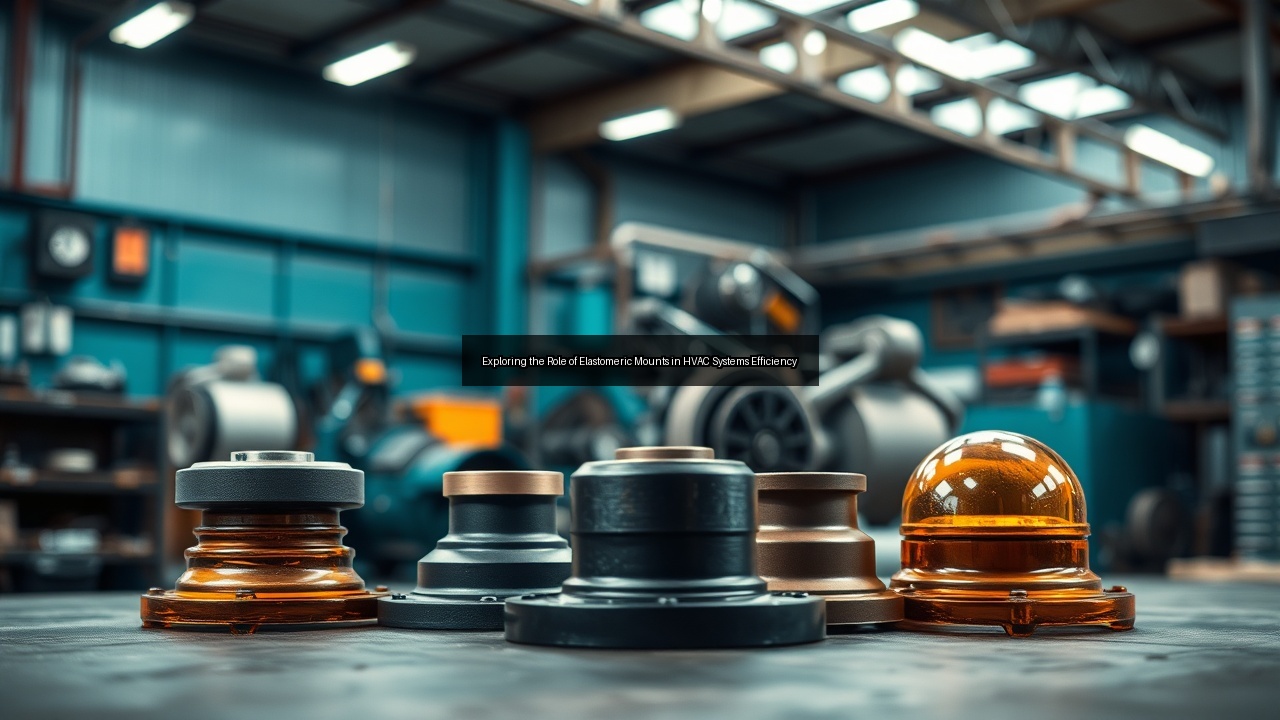
Understanding the Importance of Vibration Control in HVAC Systems
The Impact of Vibration on HVAC Efficiency
Vibration control plays a crucial role in the efficiency of HVAC systems. Excessive vibrations can lead to mechanical wear, reduced lifespan of components, and ultimately increased operational costs. HVAC systems often consist of various machinery, including compressors, generators, and fans, all susceptible to vibrations. These vibrations not only create mechanical issues but also impact the system's energy efficiency. Anti vibration rubber mounts effectively minimize these vibrations, ensuring smoother operation and enhancing overall performance. By absorbing vibrations, these mounts help maintain optimal frequency levels, reducing energy consumption and prolonging the lifespan of HVAC equipment.
How Vibration Affects Noise Levels
Noise levels in HVAC systems significantly influence user comfort and satisfaction. Vibrations from machinery generate noise that can disrupt environments, especially in residential and commercial settings. High noise levels correlate with increased vibrations, leading to uncomfortable conditions. Anti vibration rubber mounts mitigate these vibrations, thus controlling noise emissions. By isolating the vibrations at their source, these mounts contribute to a quieter atmosphere. Effective noise control not only enhances comfort but also fulfills regulatory requirements for sound levels in various applications, from office buildings to hospitals. Reducing noise through vibration isolation optimizes HVAC system performance, creating a more pleasant indoor environment.
Key Components of HVAC Systems Subject to Vibration
HVAC systems comprise various components that are particularly vulnerable to vibration. Compressors, fans, and pumps are among the most affected parts. Compressors, crucial for refrigerant circulation, experience high levels of vibration due to their mechanical operation. Fans, essential for air movement, generate vibrations that can affect their efficiency and longevity. Pumps, tasked with circulating fluids, also face similar challenges. Each of these components requires effective vibration control solutions, such as anti vibration rubber mounts. These mounts absorb and dissipate vibrations, allowing HVAC systems to operate smoothly and efficiently, minimizing the risk of damage and ensuring consistent performance.
Types of Elastomeric Mounts and Their Applications
Natural Rubber vs. Neoprene Rubber: Which is Best for HVAC?
Choosing the right material for elastomeric mounts is essential for effective vibration isolation. Natural rubber and neoprene rubber are two popular options, each with distinct properties. Natural rubber offers excellent elasticity and resilience, providing superior vibration damping capabilities. It excels in absorbing shocks and vibrations, making it a preferred anti vibration pads choice for many HVAC applications. However, neoprene rubber is known for its durability and resistance to environmental factors like oil and UV exposure. This resistance makes neoprene mounts suitable for various outdoor applications or where chemicals may be present. Each type has its advantages, and the choice depends on specific operational conditions and environmental factors.
The Role of Anti Vibration Rubber Mounts in Generators and Compressors
Generators and compressors are integral to HVAC systems, and their efficient operation hinges on effective vibration control. Anti vibration rubber mounts play a pivotal role in these applications by isolating vibrations that can cause mechanical wear and noise. In generators, excessive vibrations can lead to premature failure and increased maintenance costs. Rubber mounts absorb these vibrations, enhancing the generator's operational stability. Similarly, compressors benefit from vibration isolation, which ensures quieter operation and improved energy efficiency. By minimizing vibrations, these mounts extend the life of generators and compressors, making them indispensable in HVAC installations.
Comparing Vibration Isolation Techniques: Rubber Mounts vs. Wire Rope
When it comes to vibration isolation, rubber mounts and wire rope systems offer distinct advantages. Rubber mounts provide effective vibration damping, absorbing shocks and reducing the transmission of vibrations to surrounding structures. They are compact, easy to install, and versatile, making them a popular choice for HVAC applications. In contrast, wire rope systems excel in handling high loads and dynamic movements. They are often used in heavy machinery and construction applications where high stiffness is required. While both techniques serve to isolate vibrations, the choice between rubber mounts and wire ropes depends on the specific application demands, load requirements, and environmental conditions.
Design and Functionality of Anti Vibration Rubber Mounts
Understanding Stiffness and Frequency in Vibration Damping
The design of anti vibration rubber mounts hinges on the concepts of stiffness and frequency. Stiffness refers to the mount's resistance to deformation under load, impacting its ability to absorb vibrations effectively. Selecting the appropriate stiffness is vital for ensuring optimal performance in HVAC systems. Frequency plays a crucial role in determining how vibrations propagate through machinery. Rubber mounts must be tuned to the specific frequency of the equipment they support to achieve maximum vibration isolation. Engineers consider both stiffness and frequency during the design phase to create mounts that effectively dampen vibrations, enhancing the overall efficiency and longevity of HVAC systems.
The Role of Height and Diameter in Mount Design
Height and diameter significantly influence the performance of anti vibration rubber mounts. These dimensions affect the mount's load-bearing capacity and its ability to absorb vibrations. Taller mounts typically offer better vibration isolation due to increased deflection, allowing them to dissipate energy more effectively. Conversely, wider mounts can distribute loads more evenly, reducing the risk of material fatigue. Manufacturers often tailor the height and diameter of rubber mounts to meet specific application needs, ensuring that HVAC systems operate seamlessly. Proper design ensures that the mounts not only support the equipment but also enhance vibration control, contributing to overall system efficiency.
Innovations in Vibration Isolators: From Bumpers to Dampers
Innovation in vibration isolators, particularly in the realm of anti vibration rubber mounts, has led to the development of advanced solutions tailored for modern HVAC systems. Manufacturers have introduced various designs, from traditional bumpers to sophisticated dampers that incorporate advanced materials and technologies. These innovations enhance vibration reduction capabilities, allowing for tailored solutions that meet specific application requirements. Enhanced dampers can adjust to varying loads and frequencies, providing dynamic vibration control. Such advancements ensure that HVAC systems remain efficient, quiet, and durable, reflecting the continuous evolution of vibration isolation technology in the industry.
Case Studies: Enhancing HVAC Systems with Elastomeric Mounts
Marine Applications: Vibration Control in HVAC Systems on Ships
Marine environments present unique challenges for HVAC systems, particularly regarding vibration control. Ships encounter various sources of vibrations, including engines and machinery, which can severely impact HVAC efficiency and comfort. Implementing anti vibration rubber mounts in these systems significantly enhances performance. Case studies demonstrate how effective vibration isolation improves air conditioning reliability and reduces noise levels on ships. By employing elastomeric mounts, shipbuilders can ensure that HVAC systems operate optimally, providing a comfortable environment for crew and passengers while adhering to stringent maritime regulations.
Construction and Manufacturing: Real-World Success Stories
Numerous success stories in construction and manufacturing illustrate the effectiveness of anti vibration rubber mounts in HVAC systems. In factories and manufacturing plants, heavy machinery generates substantial vibrations, often leading to equipment failure and increased maintenance costs. By integrating rubber mounts into HVAC designs, facilities have experienced significant reductions in noise and vibrations, improving worker comfort and productivity. In construction sites, effective vibration control ensures that HVAC systems function efficiently despite the dynamic environment. These real-world applications highlight the transformative impact of elastomeric mounts on HVAC efficiency across various industries.
Future Trends in Vibration Reduction Technology
The future of vibration reduction technology promises exciting advancements, particularly in the realm of anti vibration rubber mounts. Ongoing research focuses on developing new materials that enhance vibration isolation capabilities while maintaining durability and resistance to environmental factors. Innovations such as smart mounts equipped with sensors to monitor vibrations in real-time could revolutionize the industry, allowing for proactive maintenance and optimization of HVAC systems. As industries increasingly prioritize energy efficiency and sustainability, the evolution of vibration control technologies will play a critical role in shaping the future of HVAC systems, ensuring they meet the demands of modern applications.