Innovative Approaches to Custom Blending for Diverse Food Applications
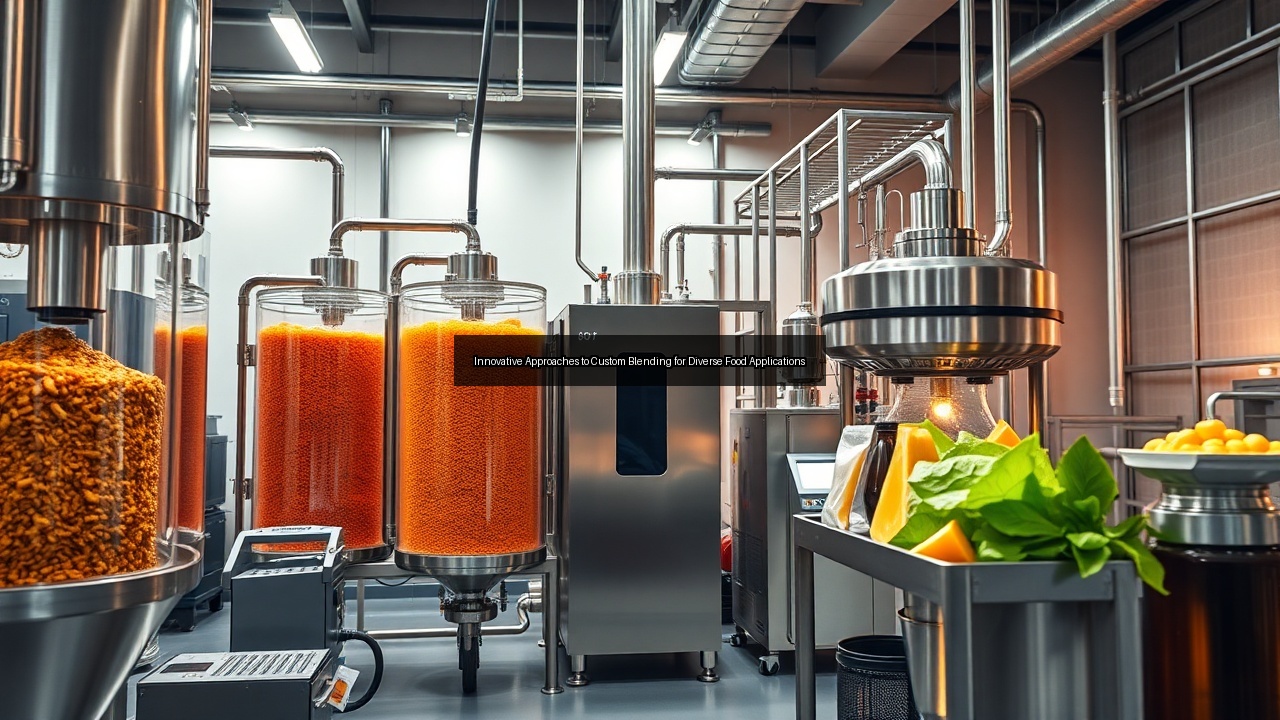
Understanding Custom Blending Solutions in Food Manufacturing
The Role of Food Ingredients in Custom Blending
Custom blending solutions in food manufacturing rely heavily on the selection and combination of various food ingredients. These ingredients can range from flavor enhancers to nutritional additives, each playing a pivotal role in crafting a product that meets consumer expectations. The art of blending involves creating a harmonious mixture that not only delivers the desired taste and texture but also adheres to nutritional guidelines and regulatory standards. Food ingredients must be chosen with care, considering factors such as solubility, stability, and flavor profile. Innovative blending techniques allow manufacturers to optimize these ingredients, ensuring consistency and quality across batches. This attention to detail in ingredient selection is vital for achieving the unique identity of a product while maintaining its appeal to a diverse consumer base.
Importance of Custom Blends in Food and Beverage Applications
Custom blends significantly impact the food and beverage industry by enabling manufacturers to create tailored products that address specific market demands. These blends allow for the incorporation of unique flavors, textures, and nutritional benefits, aligning with consumer trends toward healthy eating and personalized nutrition. For instance, a custom blend for a health drink may include protein powders, vitamins, and natural sweeteners, catering to health-conscious consumers. Additionally, custom blends enhance product differentiation, giving brands a competitive edge in a crowded marketplace. The flexibility of custom blending solutions ensures that food manufacturers can adapt to changing consumer preferences, innovate quickly, and respond to seasonal trends, ultimately driving sales and customer satisfaction.
Batch Production Techniques for Custom Blending
Batch production techniques play a crucial role in the efficiency and effectiveness of custom blending solutions. This method involves producing a specific quantity of product in a single production run, allowing manufacturers to maintain control over quality and consistency. In custom blending, batch production enables the precise measurement of food ingredients, ensuring that each blend meets predetermined specifications. Techniques such as continuous mixing, dynamic blending, and the use of advanced equipment enhance the blending process, significantly reducing production times and minimizing waste. Moreover, batch production aligns with the principles of good manufacturing practices (GMP), ensuring that food safety and quality are prioritized. By employing these techniques, manufacturers can streamline their operations while delivering high-quality custom blends that resonate with consumers.
Innovative Techniques in Custom Blending
Leveraging Science for Enhanced Blending Solutions
Innovative techniques in custom blending leverage scientific advancements to create superior blending solutions. Techniques such as molecular gastronomy and flavor encapsulation allow food manufacturers to enhance the sensory experience of their products. Molecular gastronomy utilizes scientific principles to manipulate food textures and flavors, creating unique taste experiences that captivate consumers. Flavor encapsulation, on the other hand, protects volatile compounds in food ingredients, ensuring that flavors remain intact until consumption. This technology not only prolongs shelf life but also enhances the overall product appeal. Additionally, data analytics and machine learning play a significant role in optimizing blending processes. By analyzing consumer preferences and production data, manufacturers can refine their custom blends to meet evolving market demands, ensuring that innovation remains at the forefront of their blending solutions.
Flexible Packaging: Adapting to Custom Blend Needs
Flexible packaging has emerged as a vital component in the success of custom blending solutions. This packaging type accommodates a variety of product forms, from powders to liquids, ensuring that custom blends are presented attractively while maintaining freshness. Flexible packaging options, such as pouches and films, provide manufacturers with the versatility needed to adapt to different product lines and consumer preferences. This adaptability is crucial, especially in markets where demand for ready-to-eat and on-the-go products is rising. Moreover, flexible packaging solutions can be easily customized, allowing brands to showcase their unique identities while enhancing shelf appeal. The integration of flexible packaging with custom blending solutions ultimately leads to improved product preservation and consumer satisfaction, making it an essential strategy in food and beverage manufacturing.
USDA Standards and GFSI Compliance in Custom Blending
Compliance with USDA standards and GFSI (Global Food Safety Initiative) guidelines is non-negotiable for food manufacturers engaged in custom blending solutions. Adhering to these standards ensures that products are safe, high-quality, and trustworthy. The USDA provides regulations concerning the use of food ingredients, labeling, and safety protocols, while GFSI sets a framework for food safety management systems. Manufacturers must implement rigorous quality control measures throughout the blending process to meet these standards, including regular audits and traceability of ingredients. This commitment to compliance not only protects consumers but also enhances brand reputation. By prioritizing food safety and quality, manufacturers can confidently market their custom blends, knowing they meet the highest industry standards.
Applications of Custom Blending in Diverse Food Products
Custom Blending for Juice Concentrates and Beverages
Custom blending plays a vital role in the formulation of juice concentrates and beverages, allowing manufacturers to create unique flavor profiles that appeal to consumers. By blending different fruit juices, flavorings, and sweeteners, manufacturers can craft products that cater to diverse taste preferences. Innovative blending techniques enable the preservation of natural flavors while enhancing nutritional content. For example, a juice concentrate may include functional ingredients like antioxidants or vitamins, appealing to health-oriented consumers. The flexibility of custom blending solutions ensures that manufacturers can quickly adjust formulations based on market trends, seasonal availability of fruits, or consumer feedback. This agility in product development is crucial in a fast-paced beverage market where innovation drives success.
Impact of Packaging on Custom Blends: Primary vs. Secondary Packaging
Packaging significantly influences the marketability and shelf life of custom blends, necessitating careful consideration of both primary and secondary packaging solutions. Primary packaging directly contains the product and plays a critical role in preserving freshness and preventing contamination. For example, vacuum-sealed pouches for dry blends or glass bottles for liquid beverages maintain product integrity and appeal. Secondary packaging, including boxes or cartons, provides additional protection and branding opportunities. It also facilitates distribution and retail display. The choice between primary and secondary packaging impacts the overall consumer experience, making it essential for manufacturers to evaluate how packaging aligns with their custom blending solutions. Effective packaging strategies not only enhance product shelf life but also communicate brand values and attract consumer interest.
Case Studies: Successful Custom Blending Solutions in the Market
Case studies highlighting successful custom blending solutions illustrate the impact of innovation and adaptability in the food industry. One example is a beverage company that utilized custom blending to create an organic, nutrient-rich smoothie that combined various fruit and vegetable purees with added protein. By tailoring the blend to meet consumer demands for health and convenience, the product gained significant market traction. Another case study features a snack manufacturer that developed a unique seasoning blend for its popcorn line, incorporating spices from international cuisines. This custom blend not only differentiated the product but also attracted a diverse consumer base. These examples demonstrate the effectiveness of custom blending solutions in addressing market needs and driving product innovation, leading to successful outcomes in a competitive landscape.
See Also
- Elevating Food and Beverage Innovation with Custom Blending Solutions
- Custom Blending for Flexible Packaging: A Game Changer in Food Production
- How USDA Regulations Shape the Landscape of Custom Blending
- The Advantages of Custom Blending Solutions in Food Ingredient Development
- The Science Behind Perfect Custom Blends in Food Ingredients