Welding Safety Tips Every Fabricator Should Know
Essential Safety Gear for Welders
Protective Clothing and Gear
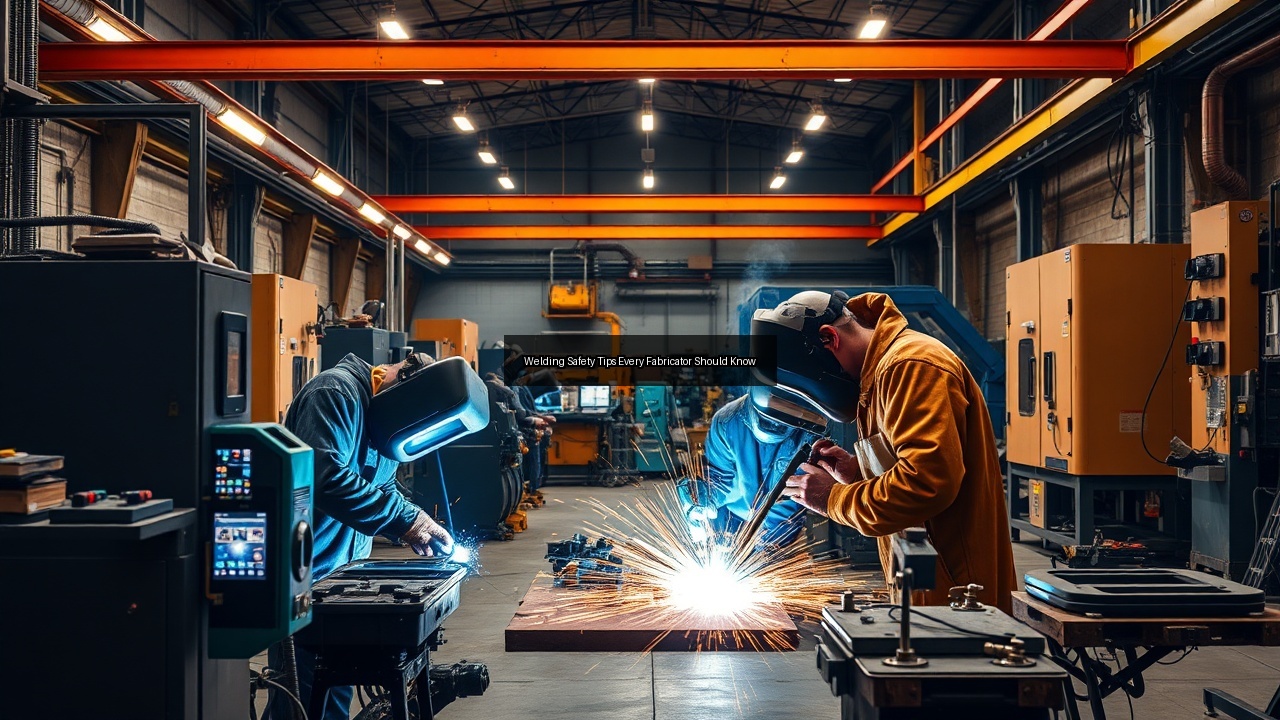
Welders require specific protective clothing and gear to safeguard against burns, sparks, and harmful radiation. Start with flame-resistant clothing made from materials like cotton or specially treated fabrics designed to withstand high temperatures. Wear long sleeves and pants to cover the skin completely. Welding jackets, leather gloves, and steel-toed boots provide additional protection. Consider using welding aprons for extra coverage when working with materials like aluminum or heavy alloys. Helmets equipped with auto-darkening filters enhance safety while allowing welders to see their work clearly. Investing in quality gear not only increases safety but also enhances overall performance during the fabrication process.
Eye and Face Protection
Eye and face protection stands as a critical component of welding safety. The intense light generated during welding can lead to severe eye injuries, including arc eye, which causes pain and temporary vision loss. A proper welding helmet with a high-quality lens protects the eyes from harmful ultraviolet and infrared radiation. Additionally, face shields can provide extra coverage against flying sparks and molten metal. Always ensure that the protective equipment meets the standards set by organizations like ISO 9001 for safety and reliability. Regularly inspect helmets and lenses for cracks or damage, replacing them as needed custom welding and fabrication to maintain optimal protection.
Respiratory Protection
Welders often work in environments where harmful fumes and gases are generated during the welding process. Inhalation of these substances can lead to serious respiratory issues over time. Using a suitable respirator or a powered air-purifying respirator (PAPR) is crucial when welding materials that produce toxic fumes. Always assess the specific hazards of the metals being welded, especially when working with stainless steel or lead-containing alloys. Ensure proper ventilation in the workspace to minimize exposure to harmful particles. Understanding and implementing respiratory protection protocols can significantly enhance safety in welding and fabrication environments.
Understanding Welding Hazards
Common Welding Hazards
Welding presents various hazards that every fabricator should recognize. Common risks include exposure to intense heat and ultraviolet light, which can cause burns and eye injuries. The process also creates sparks and spatter that can ignite flammable materials nearby. Moreover, electric shock is a significant concern, especially in environments where water or moisture is present. Understanding these hazards is the first step towards implementing effective safety measures. Regular safety training and awareness can help welders identify risks proactively, minimizing accidents and ensuring a safer working atmosphere.
Specific Risks in Metal Fabrication
Metal fabrication encompasses various processes, each with unique risks. When cutting or machining metals, sharp edges pose a significant danger. Equipment like saws and shears can cause serious injuries if not handled properly. Additionally, working with heavy machinery increases the risk of strain or injury. The use of automated systems can alleviate some of these risks, but operators must still remain vigilant. Always follow manufacturers' guidelines for machine operation and safety protocols. Proper training in handling specific tools and machines is vital to ensure that safety remains a priority throughout the metal fabrication process.
Chemical Exposure and Safety Measures
Fabricators often encounter chemicals that pose health risks. Welding processes can produce toxic fumes when working with certain metals, such as lead or chromium. Additionally, cleaning agents and solvents used in metal preparation can also be harmful. Wearing gloves and using appropriate personal protective equipment (PPE) can minimize exposure. Implementing effective ventilation systems in the workspace helps disperse harmful fumes, further protecting workers. Regularly assessing the safety data sheets (SDS) for all materials in use ensures that welders understand the hazards and can take necessary precautions. Prioritizing chemical safety is essential for maintaining health and preventing long-term complications in welding environments.
Best Practices for a Safe Welding Environment
Machine Safety and Maintenance
Ensuring machine safety and maintenance plays a crucial role in welding operations. Regular inspections and maintenance of welding machines minimize the risk of malfunctions that can lead to accidents. Follow the manufacturer's maintenance guidelines and schedule periodic checks on all equipment, including MIG, TIG, SMAW, and GMAW machines. Keep machines clean and free from debris to prevent overheating and mechanical failures. Train all personnel on proper machine operation and safety protocols to enhance workplace safety. Creating a culture of accountability around equipment maintenance promotes a safer and more efficient welding environment.
Workflow and Organization
A well-organized workflow enhances safety during the welding and fabrication process. Establish clear pathways for moving materials and tools to reduce the risk of collisions or trips. Designate specific areas for different tasks, ensuring that flammable materials are stored away from welding stations. Implementing a systematic approach to workflow not only streamlines operations but also minimizes the potential for accidents. Encourage team communication and collaboration to identify hazards and develop solutions. Creating a culture of safety awareness promotes a productive and secure working environment for fabricators and welders alike.
Quality Control and Inspection Processes
Quality control and inspection processes are essential for ensuring the safety and integrity of fabricated products. Regular inspections throughout the welding and fabrication process help identify defects or weaknesses in welds and structures. Implementing a robust quality control system involves checking welds for consistency, strength, and adherence to specifications. Utilize non-destructive testing methods to assess the quality of welds without damaging the materials. Documenting inspection results not only ensures compliance with industry standards but also fosters trust with clients. Prioritizing quality control enhances both safety and the overall success of metal fabrication projects.
Advanced Technologies in Welding Safety
Automated Welding Systems
Automated welding systems revolutionize the welding process by enhancing safety and efficiency. These systems reduce human exposure to hazardous conditions by performing welding tasks with precision and consistency. Automation eliminates many risks associated with manual welding, such as fatigue and improper technique. Integrating robots into the fabrication process allows for higher production rates while maintaining high-quality welds. These systems can handle complex designs and repetitive tasks, freeing skilled welders to focus on more intricate projects. Investing in automation not only improves safety but also streamlines operations within the metal fabrication industry.
Energy Efficiency in Welding Processes
Energy efficiency in welding processes not only minimizes costs but also contributes to sustainability efforts within the industry. Implementing energy-efficient technologies reduces overall energy consumption, lowering operational costs and environmental impact. Advanced welding machines utilize cutting-edge technology to optimize energy use while maintaining high performance. Techniques such as pulse welding in MIG and TIG processes can enhance energy efficiency and improve the quality of welds. By prioritizing energy-efficient practices, fabrication companies can significantly reduce their carbon footprint while ensuring that quality and safety standards remain uncompromised.
Sustainability in Metal Fabrication
Sustainability in metal fabrication encompasses responsible sourcing of materials, waste reduction, and energy-efficient practices. Companies increasingly adopt eco-friendly practices to minimize their environmental impact. Utilizing recycled metals reduces the need for new materials and lowers the energy required for production. Implementing waste management strategies, such as recycling scrap metal, also supports sustainability goals. Additionally, investing in technologies that promote energy efficiency enhances the overall sustainability of fabrication processes. By embracing these practices, welding and fabrication companies can contribute to a greener future while maintaining high standards of quality and safety.
See Also
- The Importance of ISO 9001 Certification in Welding Services
- The Intersection of Engineering and Welding in Custom Fabrication
- Quality Control in Welding Why It Matters More Than Ever
- Future Trends in Welding Technology That You Need to Know
- The Evolution of Welding Equipment and Its Effect on the Industry