Why Stainless Steel is Ideal for Diesel Tank Level Measurement
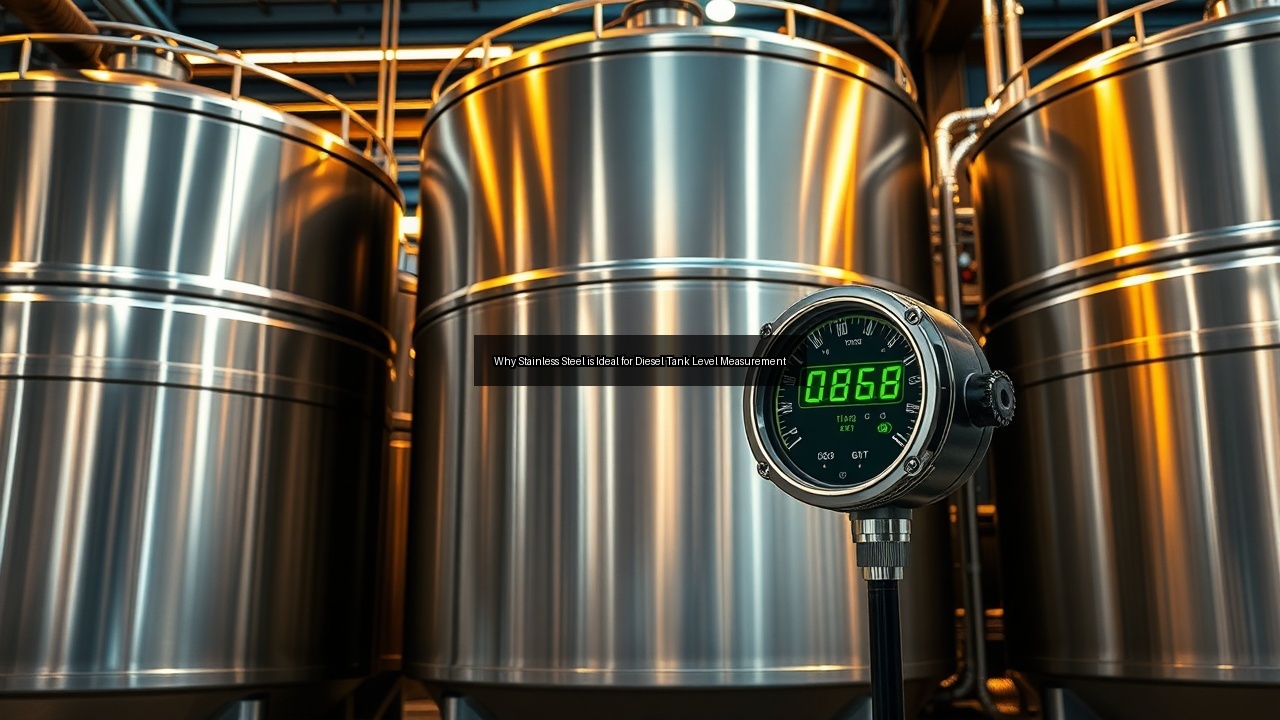
Understanding Diesel Tank Level Measurement
Importance of Accurate Level Measurement in Diesel Tanks
Accurate level measurement in diesel tanks is critical for several reasons. First, it ensures that diesel fuel remains available when needed, minimizing operational disruptions. Many industries rely on diesel engines for their machinery, and running out of fuel can lead to costly downtime. Accurate measurement helps in planning fuel deliveries, preventing overfilling, which can cause environmental hazards and financial losses. Additionally, precise level gauges allow for better inventory management, facilitating timely refueling and optimizing storage costs. In regulated industries, compliance with safety and environmental regulations hinges on reliable monitoring of diesel fuel levels. In essence, accurate level measurement serves as the backbone of efficient fuel management systems, ensuring that operations run smoothly and sustainably.
Types of Level Gauges Used in Diesel Tanks
Various types of level gauges are available for diesel tank level measurement, each offering unique features suited for different applications. Mechanical gauges, such as float and rod type indicators, provide a straightforward visual representation of fuel levels. They are reliable and cost-effective, making them popular in smaller tank setups. On the other hand, electronic level sensors utilize advanced technology to provide real-time data and remote monitoring capabilities. These systems often integrate with tank management software, allowing for automated data tracking and alerts. Ultrasonic and radar level sensors stand out for their accuracy and non-contact measurement capabilities, catering to larger storage tanks and tank farms. Selecting the right level gauge depends on the tank's size, the required accuracy, and specific operational needs.
Common Applications of Diesel Tank Level Indicators
Diesel tank level indicators find applications across various sectors, reflecting their versatility and importance in fuel management. In construction, diesel powers heavy machinery, making accurate level measurement essential for project continuity. Transportation companies also rely on these indicators to manage fuel supplies for their fleets, ensuring that vehicles are adequately fueled for long journeys. Agriculture utilizes diesel engines in tractors and equipment, necessitating efficient fuel management in the field. Additionally, power generation facilities that operate diesel generators require precise monitoring of fuel levels to ensure uninterrupted service. Industries like shipping and logistics also depend on diesel fuel for their operations, showcasing the widespread need for reliable diesel tank level gauges. Each application underscores the essential role of accurate level measurement in maintaining efficiency and operational integrity.
The Advantages of Stainless Steel in Diesel Tank Level Indicators
Durability and Corrosion Resistance
Stainless steel offers exceptional durability and corrosion resistance, making it an ideal material for diesel tank level indicators. Diesel fuels contain various additives that can be detrimental to lesser materials, leading to degradation and inaccurate readings. Unlike plastic or other metals, stainless steel withstands harsh environmental conditions and resists corrosion from exposure to moisture, chemicals, and fluctuating temperatures. This resilience translates to a longer lifespan for level gauges, reducing the frequency of replacements and maintenance costs. In tank farms where multiple diesel tanks operate in close proximity, the robustness of stainless steel ensures that level indicators remain functional over time, providing reliable data for fuel management without the risk of material failure. Ultimately, investing in stainless steel level gauges enhances operational reliability and minimizes downtime.
Impact on Measurement Accuracy
The choice of material significantly impacts the accuracy of diesel tank level measurement. Stainless steel level gauges deliver superior precision compared to plastic alternatives, which can warp or degrade over time, leading to inaccurate readings. The structural integrity of stainless steel ensures consistent performance under varying temperatures and pressure conditions, maintaining measurement fidelity. Additionally, many stainless steel indicators feature advanced technology, such as magnetostrictive sensors or capacitive measurement systems, enhancing their accuracy further. Accurate level measurement is crucial, especially in environments where precise fuel management can affect operational costs and safety. Organizations relying on diesel engines, whether in transportation or industrial applications, benefit from the enhanced accuracy offered by stainless steel level indicators, ensuring they make informed decisions based on reliable data.
Comparison with Plastic and Other Materials
When comparing stainless steel to plastic and other materials used for diesel tank level indicators, several key differences emerge. Plastic gauges, while lightweight and cost-effective, often fall short in durability and resistance to environmental stressors. Over time, exposure to UV light and harsh chemicals can lead to brittleness and inaccurate readings. Other materials, like aluminum, may offer some resistance but do not match the corrosion resistance and strength of stainless steel. Stainless steel stands out for its ability to handle the rigors of diesel fuel storage, maintaining both structural integrity and precision over time. This material also complies with safety and regulatory standards more effectively than many alternatives. Therefore, while initial costs for stainless steel gauges may be higher, the long-term benefits of durability, accuracy, and reliability position them as the superior choice for diesel tank level indicators.
Implementing Stainless Steel Level Gauges in Diesel Fuel Storage
Installation Considerations for Diesel Tanks
Installing stainless steel level gauges in diesel tanks requires careful planning and execution to ensure optimal performance. The first consideration is the compatibility of the gauge with the specific tank design and size. Proper positioning within the tank is crucial; gauges should be located away from tank walls and other obstructions to provide accurate readings. Additionally, installation must account for potential thermal expansion and contraction of the materials involved. Technicians should follow manufacturer guidelines to secure fittings and ensure proper sealing to prevent leaks. Furthermore, integrating level gauges with existing monitoring systems enhances data accuracy and accessibility. When installed correctly, stainless steel level gauges provide real-time insights into diesel fuel levels, supporting efficient fuel management practices.
Maintenance Best Practices for Stainless Steel Gauges
Maintaining stainless steel level gauges involves routine inspections and cleaning to ensure continued accuracy and performance. Regularly checking for signs of wear, corrosion, or leaks helps identify issues before they escalate. A cleaning schedule, especially in environments with high particulate matter or contaminants, ensures that sensors and fittings remain free of obstructions, promoting accurate readings. Technicians should also verify calibration periodically, adjusting settings as necessary to align with operational standards. Documenting maintenance activities and performance data supports regulatory compliance and enhances overall operational efficiency. By prioritizing maintenance, organizations can extend the lifespan of their stainless steel level gauges and ensure they provide reliable data for diesel tank management.
Data Management and Monitoring Solutions in Tank Farms
Data management and monitoring solutions play a vital role in optimizing diesel tank operations in tank farms. Integrating stainless steel level gauges with advanced monitoring systems allows for real-time data collection and analysis. These systems can offer insights into fuel consumption patterns, alerting operators to potential issues, such as leaks or unusual fluctuations in fuel levels. Data analytics tools help organizations forecast fuel needs, streamline deliveries, and reduce waste. Furthermore, remote monitoring capabilities enable operators to oversee multiple tanks from a centralized location, enhancing efficiency and response times. Combining stainless steel level gauges with robust data management solutions creates a comprehensive fuel management strategy, empowering organizations to make informed decisions and maintain operational continuity.